There is a silent satisfaction in a freshly repainted home that looks much better with each passing season rather than fading under Michigan weather. That staying power never occurs by mishap. It comes from cautious preparation, a regimented sequence, and the kind of judgment you only obtain from years on ladders in late April wind or August humidity. When homeowners look for home painters near me or external home painters near me, they're really seeking that judgment. In Ypsilanti, where lake-effect moisture and freeze-thaw cycles test every surface, prep is the make-or-break moment.
I've seen paint cling like armor on a century-old clapboard and fail within a year on a more recent composite. The distinction was prep. Not the glamorous kind, either. The sluggish, systematic cleaning, drying out, scuffing, fixing, and priming that does not reveal on Instagram however keeps a home stunning for a decade.
The Ypsilanti Weather Equation
The Huron River provides a soft qualities to the air, which softness feeds mold and mold under shaded eaves. Winters swing from thaw to freeze in 24-hour. Spring shows up wet. Summer season throws UV at your exterior siding for months. Each of those problems adjustments exactly how we prep.
- Spring tasks call for aggressive drying out plans. We integrate in additional time and commonly reschedule power washing to early mornings, so siding can dry totally by the following day. Mid-summer work require adaptability around warmth. When the exterior siding temperature reaches 90 degrees or greater, guides can flash set before they level. We shift to earlier beginnings and shaded altitudes first. Late autumn is trim season. We focus on smaller areas we can cleanse, completely dry, prime, and overcoat within tighter temperature level windows.
Those little choices stop peeling, blistering, and early liquid chalking. When you seek out painters in Ypsilanti or professional painters near me, ask concerning their seasonal strategy. You should hear information like these, not common answers.
The Two-Day Clean: Washing Without Wrecking the Wood
You never obtain a second chance at tidy. Dirt, pollen, oxidation, and chalk from old paint imitate a release agent under the brand-new coat. We typically plan a two-day cleansing procedure for timber and fiber cement siding.
On the first day, we damp the surface area from all-time low up. This fills the pores and minimizes detergent absorption, which makes washing cleaner. A mildewcide or a detergent with sodium hypochlorite in a controlled ratio of approximately one part bleach to 3 or four parts water clears biological growth. For patched or sensitive surfaces, we switch over to non-bleach cleansers and enable longer dwell times.
Pressure is a device, not a remedy. Excessive pressure drives water behind cladding where it lingers. We stay near 500 to 800 PSI for painted wood and increase just for masonry or composites, with the idea kept at a considerate range. Wash top to base, meticulously, and let it dry.
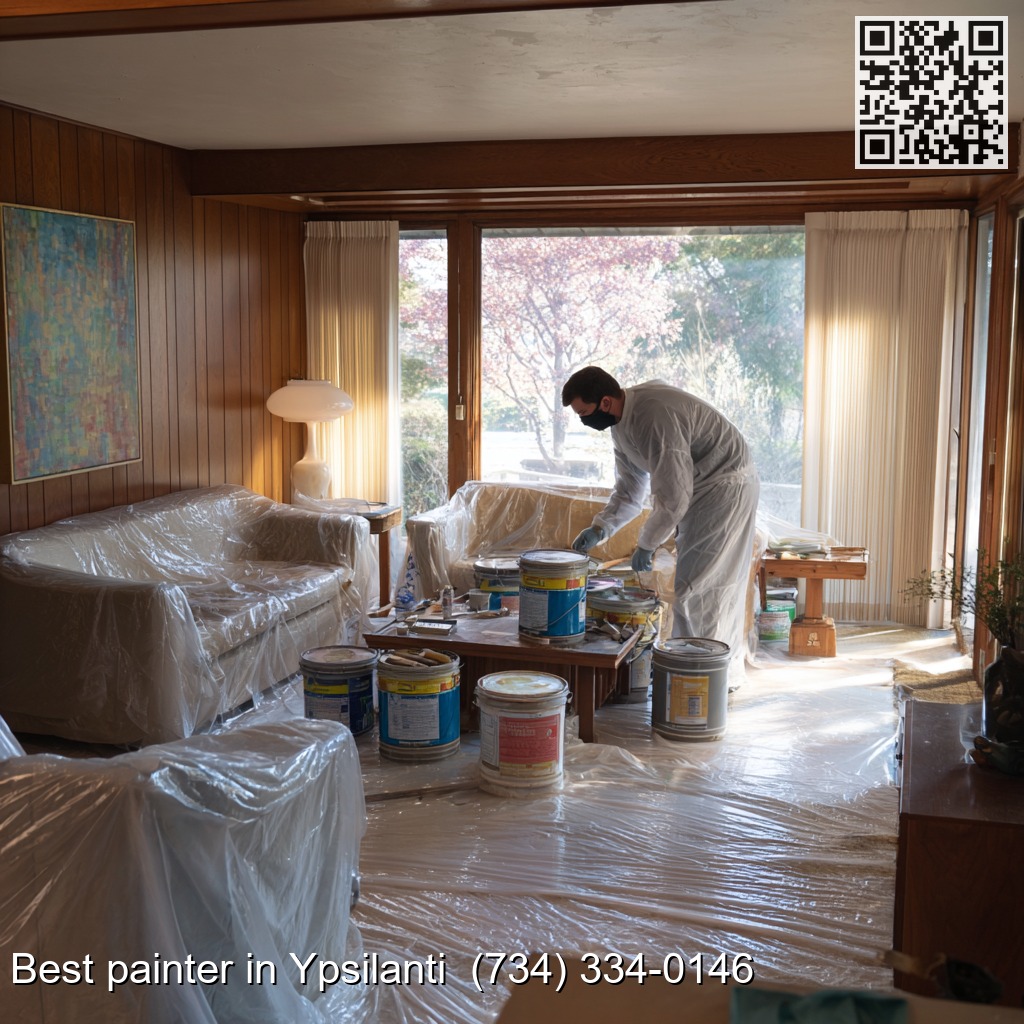
Day two is evaluation. If we still see oxidation routes or chalk, we clean once more by hand with a soft bristle brush where it counts most: the bottom laps, the shaded soffits, and the windward sides that accumulate grit from US-12 and I-94 web traffic. Waiting that extra day prevents trapping wetness that later on swells the substratum and pops the paint. It's a slower rhythm yet a surer one.
Dry Indicates Dry: Dampness Meters and Patience
Here's where luxury-level work separates from rapid job. Dampness content in wood need to typically sit around 12 to 15 percent before priming. In Michigan spring, a sunny facade may read 11 percent at noon and rebound to 16 percent by night. We track analyses at key points: near trim ends, home window sills, lower siding training courses, and any type of previous failing factors. If numbers don't maintain, we hold.
Homeowners in some cases ask yourself why their painters are just "waiting." The factor is easy. Repaint put on damp wood adheres to sprinkle more than wood. That bond stops working from the within out. Waiting a day can add years to the finish.
Honest Rub: Clearing up Whatever Up to Audio Paint
Scraping is not a neat chore. It's unpleasant, it's sluggish, and it requires a sense of the timber below your device. We use sharp carbide scrapers and change blades often, since plain scrapers leave polished yet slick surface areas that drive away primer. We get rid of every flake that raises with a company pass. The criterion is sound, not smooth. Level of smoothness comes later on with filler and sanding. Sound indicates the remaining paint is strongly affixed around the sides and will not crinkle when its next-door neighbor lets go.
On older homes, we work lead-safe. Numerous Ypsilanti communities have actually homes developed prior to 1978. Certified crews utilize containment, HEPA vacuums, and proper disposal. If you're calling home painters Ypsilanti MI or Residence Painters Ypsilanti for an older residential property, make sure lead-safe techniques aren't optional. They're the baseline.
Feather Sanding: The Difference Between Great and Great
Feathering is what makes a patch unseen under a low winter sunlight. After scuffing, we sand shift edges so there's no perceptible ridge by fingertip. On clapboards, that often suggests 80-grit to lower and 120-grit to smooth. On trim, we tip to 150 and even 180 for a great finish. Dirt extraction matters. Paint dust left in scrapes compromises primer attachment. It also telegrams through glossy topcoats.
Caulk and filler inform the remainder of the tale. We utilize flexible elastomeric caulks for joint movement on siding and sills, and an extra steady, paintable sealant for hairline gaps. Bondo-style fillers handle deep rot repair services after epoxy consolidant, while fine-grain outside spackle degrees nail heads. It's a split strategy. Everything obtains sanded flush like we're completing interior trim, because exterior gloss shows the least wobble.
Spot Priming Versus Complete Priming
This is where products and spending plans meet. There's a lure to prime every little thing for uniformity. Sometimes that's right. If the existing covering is milky or the color modification is remarkable, a complete prime guarantees even absorption. Yet complete priming every surface can trap tiny pockets of residual dampness and include price without benefit.
Spot priming is both art and liability. Bare timber, covered areas, and greatly sanded areas get an oil-rich bonding guide or an alkyd-modified acrylic that obstructs tannins and seals finish grain. For cedar or redwood showing bleed, we switch over to a specialized stain-blocking guide that genuinely secures extractives. On fiber cement, an acrylic guide is normally adequate, with focus to factory sides that were reduced on site.
An excellent regulation is simple: prime where the chemistry requires it. If you walk a home and see a plain, consistently audio satin layer, sometimes a complete tidy and a scuff sand with a bonding primer on shifts is the ideal path. We're paid to recognize when restriction secures longevity.
Expansion Joints, End Grain, and Water Entry
Water goes into where gravity and capillary activity say it should. The lower edges of clapboards, straight trim caps, window sill noses, and mitered edges are the usual suspects. End grain is sponge-like. It consumes alcohol primer much faster than the face of the board.
We flooding prime end grain. 2 coats, often 3, up until absorption slows. On straight trim, we form a refined drip side if the previous paint has rounded it away. This keeps rainfall from wrapping under and wicking right into the joint. Gaps between house siding and vertical trim get versatile caulk with a neat device coating, not a smeared finger. A tidy grain sheds water far better than a lumpy one, and you'll see that accuracy long after the staff leaves.
Paint Chemistry for Michigan Exteriors
https://shadesofwhitellc.com/best-exterior-painting-services-ann-arbor-3/Not every costs tag suits every home. I lean toward high-build exterior acrylics for many Ypsilanti job. They take a breath sufficient to let incidental wetness escape, withstand UV well, and keep shade for years. Oil paints still have a classic charm on trim, however oils harden and come to be breakable. In a freeze-thaw environment, that brittleness fractures, and water locates those cracks.
Two coats imply two layers. We view mil density, not simply protection. A normal high-build outside acrylic desires a dry movie thickness of roughly 3 to 4 mils amount to. That normally needs two deliberate passes at the manufacturer's defined spread price. If a painter claims one layer "should do it," press for the numbers. Thick sufficient to secure. Thin adequate to treat. That equilibrium is where resilience lives.
The Silent Craft of Color
Color choice goes beyond swatches on a cooking area table. Ypsilanti light adjustments tone over the day. A gray can tilt blue under a clear skies and drift warm under a cloud ceiling. North facades checked out cooler and need a touch of warmth to avoid looking flat in winter. South and west exteriors fade hardest, so we typically shift one half-step deeper in worth to preserve an abundant take care of 2 or three summers.
Trim gloss includes a refined luxury and extra cleanability. Satin on body, semi-gloss on trim is a trustworthy pairing. For historic districts, soft sheens with a restrained scheme honor the architecture while hiding small surface movement.

Scheduling Around Moisture, Temperature, and Shade
We create a rotating clock around your home. Shield in the early morning becomes your afternoon work area by 2 p.m. If the siding remains in full sun at 11 a.m. in August, we wait. The paint ought to have time to level prior to warmth increases dissipation. Evening dew is another silent saboteur. We stop early enough that newly repainted surface areas flash off before cool air condenses moisture.
When property owners look for painters near me or regional painters near me and compare bids, they often focus on start dates. The even more revealing question is exactly how the team staggers their work around sun and dew. You'll listen to genuine painters talk about elevation order, not simply calendar days.
Where Exterior Meets Interior: Thresholds, Soffits, and Ceiling Transitions
Doors and limit changes imitate weak links. If you're currently employing exterior painters near me, think about including the interior jambs of exterior doors and the veranda ceilings. The line where indoor and outdoor air meet is high anxiety. In Ann Arbor and Ypsilanti porch ceilings, specifically on older homes, usually reveal water staining and hairline splits. Specialized guides push back tannin hemorrhage and avoid that warning yellowing. If you look for ceiling painters Ann Arbor MI or ceiling painters Ann Arbor Michigan, you want a staff that recognizes vapor dynamics along with brushwork, because patio ceilings need both.
When Commercial Standards Improve a Home
A peaceful secret in domestic job: the very best exterior information obtain from commercial self-control. Crews who handle Bloomfield Hills industrial outside painters projects or Bloomfield Hills outside home painters bring a limited protocol to surface security and sequencing. They cover landscaping very carefully, secure adjacent masonry with detachable tapes, and maintain a cut sheet of item data and batch numbers for traceability. The top quality distinction appears in the fourth or fifth year, when caulk joints still extend instead of cracking and cut lines on trim continue to be crisp.
Even interior methods rollover. Teams experienced as Bloomfield Hills industrial interior painters have an expert regard for containment, dust control, and staging that translates well to older Ypsilanti neighborhoods where landscaping is close to the structure and access paths are tight.
The Walkthrough Before Any kind of Paint Opens
A systematic pre-paint walkthrough sets a premium work apart. We mark woodpecker openings, evaluate blinked terminations at roof-to-wall intersections, probe suspect trim with an awl, and examine attic room air flow at soffits. A painter who notices an obstructed soffit air vent during prep is preventing more than blistered paint. He's aiding your roof last longer.
We likewise verify substratums match the chosen system. Aluminum home siding needs a various guide than milky vinyl. Formerly tarnished cedar desires a permeating approach, not a thick membrane. Each surface informs you what it needs if you pay attention closely.
Safety Is Preparation Too
Ladder footing in wet lawn. Harness tie-offs on steep gables. High-voltage line clearances at solution entryways. These information don't seem linked to adhesion, yet they are. Safe staffs work methodically. Organized work creates consistent preparation. Uniformity provides you the even substrate that paint likes. If a team is casual about safety, be wary of their preparation. It generally goes hand in hand.
The Worth of Mock-ups and Small Tests
Luxury doesn't mean luxurious, it suggests mindful. We in some cases create a small test spot with the complete series: cleaned up, sanded, keyed, and finished on a south-facing board. We monitor for tannin hemorrhage or blinking. If a primer stops working that test, we transform items before investing the whole residence. A two-hour examination usually secures a five-figure project.
Maintenance That Expands a Perfect Job
A great exterior paint work is not a set-and-forget financial investment. It's even more like a stunning yard, simple to keep excellent with small rituals. An annual low-pressure rinse in May gets rid of pollen and city dust. Repair nicks without delay prior to UV deteriorates the surrounding movie. Keep bushes trimmed a minimum of one foot from home siding for ventilation. Clear rain gutters, since overflows tarnish and rot fascia despite paint quality.
For Ypsilanti's freeze-thaw pattern, we likewise suggest checking straight surfaces after the very first wintertime. Home window sills, rail tops, and fascia caps withstand merging water and ice. Touch-up there fasts and pays back with years of added life.
Vetting the Group Behind the Brush
If you're contrasting expert painters near me, look past the rate. Ask that will certainly get on site every day. Confirm whether the exact same team that preps will certainly additionally finish. Prep notes are pointless if the painters reviewing them did not create them. Request the product data sheets and the paint routine: guide type, caulk kind, number of layers, and target mil thickness. Ask what dampness meter they use and which readings they consider acceptable. These inquiries inform you if you're consulting with committed outside painters or a sales office.
In Ypsilanti especially, ask about their experience with 1920s to 1950s real estate supply. The timber varieties, mill accounts, and tradition finishes vary. A painter who has functioned those roads knows how to address cupped clapboards, alligatoring on south facades, and persistent tannin blood loss on older cedar.
A Study From River Street
We lately dealt with a two-story clapboard on River Road with peeling on the west side and mold under the north eaves. The house owner had called several residence painters near me, but we made the work due to the fact that we suggested a slower approach.
We cleaned twice, allowed 2 days of drying out with a box follower moving air with the shaded side yard, after that dampness checked daily till readings held steady under 14 percent. Scuffing exposed three distinctive paint layers, each adhering in a different way. We got rid of whatever loosened and feathery meticulously. The west facade got a stain-blocking oil-modified guide on bare timber, while the rest got an acrylic bonding primer just where we had sanded to substrate. We caulked with a high-performance elastomeric in all upright joints and utilized epoxy consolidant on two sill noses that had soft spots.
Color choice stayed within a historical scheme, a warm gray body with cream trim in semi-gloss. We painted in a three-elevation rotation to prevent warmth, started at 7 a.m., and finished by mid-afternoon to defeat dew. Two coats, measured and also. That paint still looks fresh four periods later on. The owner does a mild rinse each spring and sends out images after the very first thaw since he enjoys exactly how the surface area beads rain.
When to Call, and What to Expect
If you prepare to search for home painters Ypsilanti, home painters Ypsilanti MI, or just external painters near me, reach out early. Good routines fill quick between May and October. Expect an on-site examination that lasts at the very least 45 mins to an hour for an ordinary home. If a person quotes from the aesthetic in 10 minutes, they missed something.
An extensive proposition will outline cleansing technique, drying out allocations, surface repair work, guides by brand name and kind, variety of coats with target mil thickness, caulk specifications, and a projected timeline that referrals temperature and humidity. The paper needs to check out like a plan, not a promise.
A Brief Owner's Checklist Before Repainting Begins
- Confirm lead-safe methods if your home predates 1978. Request wetness readings at the time of priming, especially on shaded elevations. Ask for the exact guide and caulk specifications. Clarify the elevation order and day-to-day quit times about dew. Schedule a mid-project walkthrough after priming to assess surface areas before topcoat.
This easy checklist protects both your financial investment and your tranquility of mind.
Why the very best Preparation Really Feels Luxurious
Luxury is not loud. It's quiet doors that close perfectly and surface areas that stay remarkable without difficulty. In exterior paint, luxury appears like edges that don't divided after winter months, caulk joints that bend and hold, and shade that remains abundant through July sunlight. It seems like a staff that shows up early, maintains a clean website, and sweats the details you do not see.
If you're considering choices amongst external residence painters near me, indoor painters near me for adjacent job, or expert painters with local commercial experience, select the team that speaks a lot more regarding prep than paint. The layer is the outfit. The preparation is the tailoring. Ypsilanti homes gain their charm similarly they make their history, one careful choice at a time.
 Ask ChatGPT
 Ask Grok
 Ask Perplexity
 Ask Claude
 Ask Google AI
 Ask You